

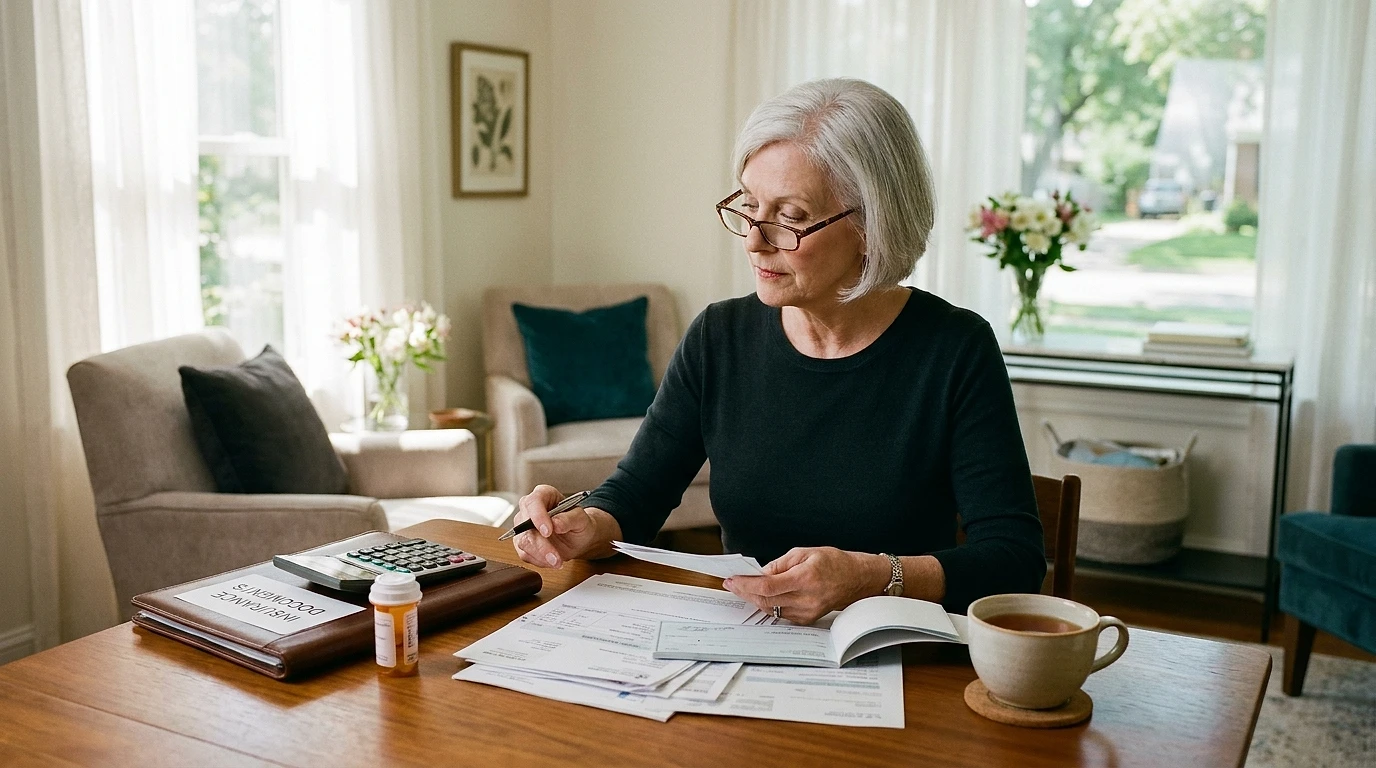
Having enough money to cover unexpected costs is a common worry for Canadians planning retirement. We worry about having enough to cover groceries, housing, and the leisure activities we dream of enjoying once we retire. But what about medical expenses?
Most Ontario residents remain uncertain as to what OHIP covers post-retirement. Often, retirees are caught off guard by out of pocket expenses not covered by OHIP, particularly those who were working in a company that had a workplace health plan which covered prescriptions, dental work, glasses, therapy, among others.
What OHIP Covers
As Canadians, we are fortunate to have some of our medical care covered. OHIP generally covers visits to doctors, hospital visits and stays, lab testing, eye health services, some podiatric services, and ambulance fees.
As for hospitalization, OHIP provides coverage for doctor and nurse services, diagnostics like blood tests and X-rays, food, and accommodation. However, there can be an additional charge for private or semi-private rooms unless it is insured privately.
Common Costs Not Covered by OHIP:
Even with OHIP, there are still many out of pocket costs that seniors and families may face. These may include:
- prescription medication supplied outside of hospitals (for example, antibiotics supplied by your family physician)
- dental services provided in a dentist’s office
- eyeglasses, contact lenses
- testing/measurements in relation to eye surgery, and lenses with additional features that are offered in order to reduce or remove dependency on glasses or contacts. (When these services are offered along with OHIP-insured cataract surgery, they still remain uncovered under OHIP)
- cosmetic surgery
- health services that are delivered outside of hospital by health care providers that are not physicians, or prescribed practitioners under Ontario legislation
Costs That May be Partly Covered
There are expenses which are not covered entirely under OHIP, but may have partial funding from other programs in Ontario.
For instance, individuals aged 65 years or above can benefit from medication coverage by the Ontario Drug Benefit Program. Assistive devices may sometimes receive partial coverage through government programs if the individual qualifies according to eligibility criteria.
Another important expense that needs to be considered carefully is dental care. Typically, OHIP does not cover any dental services provided in a dentist's office. However, there may be other dental coverage available to some seniors outside of OHIP through insurance.
How Families Can Plan Ahead
Out of pocket costs not covered by OHIP can be stressful, especially in cases where you are forced to incur them following illnesses or injuries.
The first step is to identify your potential health-care expenses such as medication, dental care, eye care, hearing care, mobility devices, transportation, home modifications, and personal care.
In addition to this, it might also be worth considering looking into insurance, employment-based retiree plans, government programs, and tax credits. In case the care needs of a family member change, consider comparing private home care and other care options.
Where Home Care Fits
OHIP is helpful, but it doesn’t cover all forms of assistance that seniors might require at home. Families may still need extra assistance with personal care, companionship, meal preparation, mobility, dementia care or recovery from illnesses.
Living Assistance Services can help families figure out how private home care services would fit along with other publicly funded services. If you are unsure what OHIP does and does not cover, Click here for more information about OHIP coverage: What OHIP Covers
Contact us to learn more
If you’d like to know more about high quality homecare services in Toronto, Mississauga and the surrounding communities, please contact us. A member of our care team would be glad to answer your questions and make personalized recommendations. We look forward to speaking with you soon.